In late June 2018, it was confirmed by the World Poverty Clock that Nigerian had moved up one place (overtaking India in the process) to have the most people living in extreme poverty in the world.
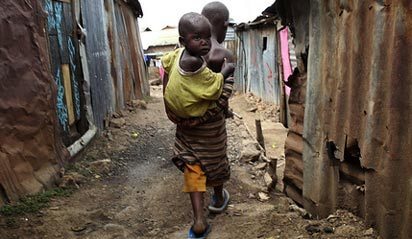
It is hard to imagine why poverty remains extremely significant in Nigeria despite all the economic growth the nation has experienced over time. Most individuals would agree that it is indeed alarming and unacceptable for a country with massive wealth and plenty of natural resources like Nigeria to ever need to battle poverty.
The reality Nigerians have is that extreme poverty in the country is increasing by nearly six people every minute, and at such rate, it is estimated that by 2030, the percentage of Nigeria’s population living in extreme poverty will increase from 44.2% to 45.5%. This would amount to about a total of 120 million Nigerians suffering from extreme poverty. It is easy for Nigerians to blame the Buhari-led administration for the economic misfortunes that has befallen the country in recent years – times when the nation had to go through difficult periods like the economic recession of 2016/2017. You probably would think they have every right to blame the country’s government when you begin to hear stories of hardships from different Nigerians.
To be fair to the government, many organizations and programmes have been set up from in the recent decades from different governments that had been in power. From the National Accelerated Food Production Programme and the Nigerian Agricultural and Co-Operative Bank established in 1972, down to the Directorate of Food, Roads and Rural Infrastructure ( DFRRI) in 1986 to the National Poverty Eradication Programme (NAPEP) of 2001.
All these bodies were formed with the purpose of alleviating poverty and improving the standard of living of Nigerians living in the country. Yet, little or nothing seems to be done to the situation. It is definitely worse than it has ever been for the country and strategic and innovative plans must be put in place to improve her condition.
The way around for the country could be to create more employment opportunities and establish more skill-earning programmes to encourage entrepreneurship among youths. The country can also look into other sectors that can create wealth such as Agriculture and Travel and Tourism instead of being always reliant on the petroleum and gas sector.
Sources:
Sahara Reporters
worldpoverty.io
 Touchline